
By the 1940s and 1950s, companies realized that children were more than just tiny members of a household, they were the original influencers. World War II had ended, families had more disposable income, the “Baby Boom” was under way, and television sets were moving into everyday living rooms. Marketers quickly noticed that while parents held the wallets, kids held major influence over what went into the shopping cart.
TV Brings Ads
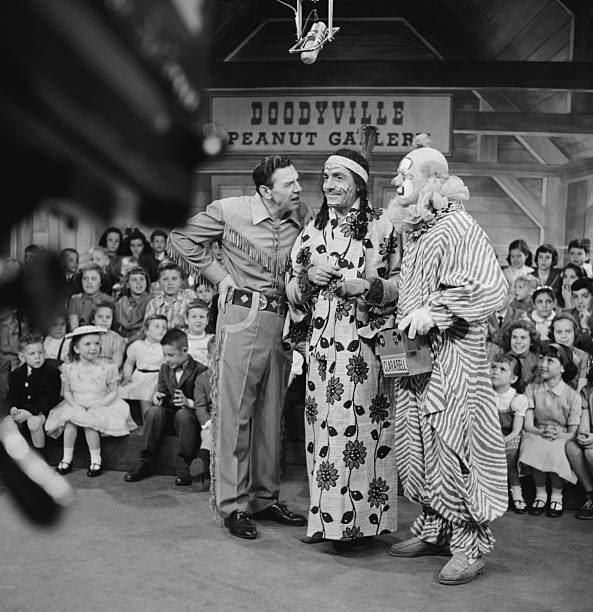
Before TV, kids’ media was mostly radio programs and comic books. Children’s television changed that by connecting entertainment directly with products. Programs like The Howdy Doody Show (1947) were designed with corporate sponsorship built right in.
Show characters appeared during commercial breaks to pitch items, and stores stocked up on Howdy Doody puppets, clothes, and records. Marketers realized that if a child became attached to a character on screen, that child would influence their parents to buy the merchandise at the store.
Coonskin Caps
In 1954, Disney released a television miniseries starring Fess Parker as Davy Crockett, complete with his signature coonskin cap.
The response was massive. Children across the country wanted to dress like the character, leading toy makers to sell an estimated 10 million coonskin caps in a single month. It was one of the earliest examples of kids driving a nationwide retail trend overnight—long before social media trends existed.
Pester Power
Advertisers also targeted kids through print. The back covers of comic books regularly featured gadgets, badges, and mail-in offers called premiums.
By saving box tops or coupons from cereal, kids could mail them in for secret decoder rings or toy badges. A box of cereal was no longer just breakfast—it was a prize. To get four box tops, kids had to convince their parents to buy the exact same box week after week. Advertisers intentionally relied on kids to influence household groceries.
By the end of the 1950s, businesses stopped viewing children as miniature adults and recognized their power as consumers and household influencers. Long before sponsorship deals, sponsored posts, and unboxing videos, 1950s kids were already shaping market trends from their living room couches.